Top Features to Look for in an Ergonomic Office Chair

November 29, 2025

Top Features to Look for in an Ergonomic Office Chair

Investing in an ergonomic office chair is a pivotal decision for anyone spending significant hours at a desk. A well-designed chair supports your body's natural posture, reducing strain and preventing long-term health issues. It's more than just a piece of furniture; it's a tool for enhancing productivity and overall well-being.

The market offers a vast array of options, from a basic Study Chair to a sophisticated Director Chair, making the selection process seem daunting. Understanding the core ergonomic features is key to making an informed choice that aligns with your specific needs and work environment. This guide aims to demystify these features, helping you identify what truly matters for comfort and support.

We will explore essential adjustments and design elements that contribute to a truly ergonomic experience, ensuring that your office seating promotes health rather than hinders it. Whether you are upgrading your home office or outfitting a commercial space, prioritizing these features will lead to a more comfortable and productive workday.

Frequently Asked Questions

What is the most crucial adjustment feature in an ergonomic chair?

The most crucial adjustment is undoubtedly lumbar support. Proper lumbar support follows the natural inward curve of your lower back, maintaining the spine's S-shape and preventing slouching. Look for chairs with adjustable lumbar support, allowing you to customize its height and depth to fit your unique spinal curvature. This feature is vital for reducing lower back pain and promoting healthy posture during long periods of sitting, whether you're using a dedicated office chair or a versatile Study Chair.

How important is seat adjustability for long-term comfort?

Seat adjustability is highly important for long-term comfort and circulation. Key features include seat height, depth, and tilt. Seat height adjustment ensures your feet are flat on the floor with knees at a 90-degree angle, while seat depth prevents pressure behind your knees. A tilting seat pan can encourage dynamic sitting. These adjustments are fundamental for distributing weight evenly and preventing pressure points, making even a basic Budget Seating option more comfortable if it includes these essential features.

Are armrests really necessary, and what kind should I look for?

Armrests are indeed necessary for ergonomic support, as they help reduce tension in your shoulders and neck by supporting your arms. The ideal armrests are multi-directional (3D or 4D adjustable), meaning they can adjust up/down, forward/backward, pivot in/out, and even widen. This versatility allows you to position them perfectly to keep your forearms parallel to the floor, regardless of your task. Even a high-end Director Chair should offer extensive armrest adjustability, as fixed armrests can often hinder proper posture.

What's the difference between a Mesh Chair and a Leather Chair for ergonomics?

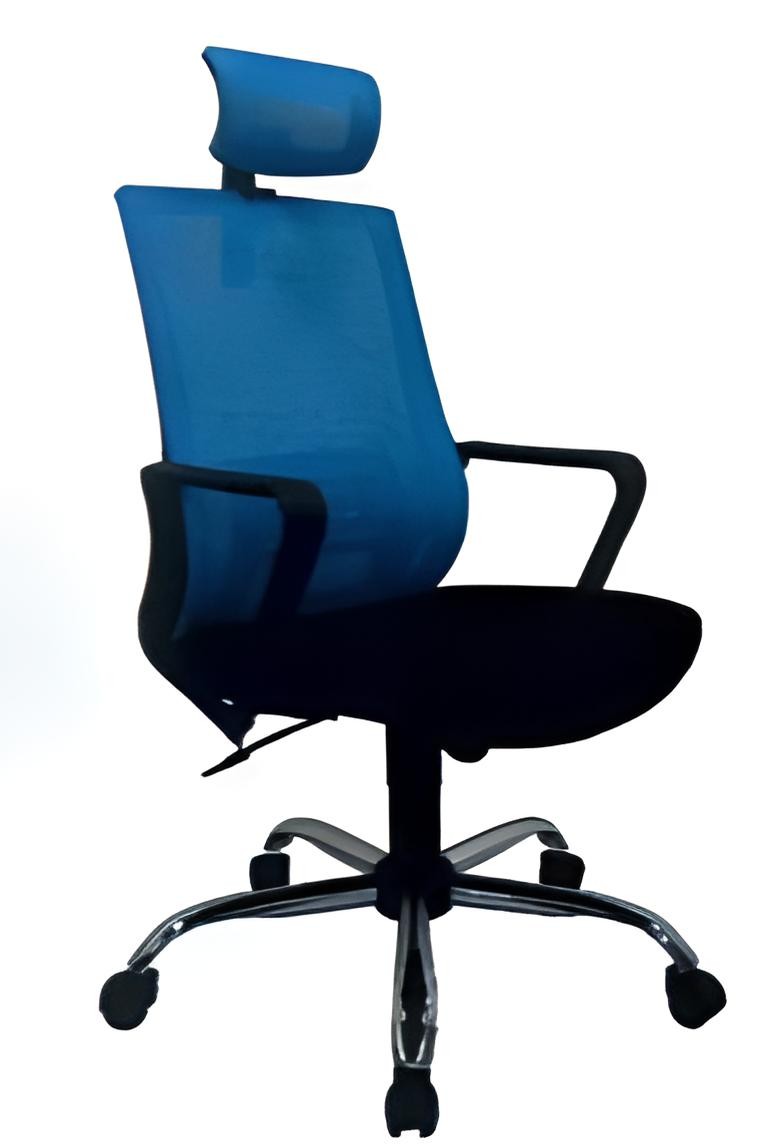
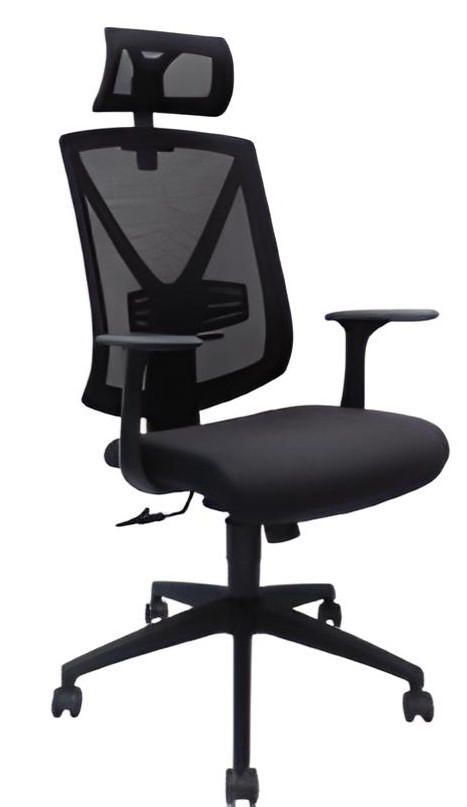
The primary difference lies in breathability and feel. A Mesh Chair excels in ventilation, keeping you cool during long hours due to its woven fabric structure. This can be a significant comfort factor in warmer climates or for individuals who tend to overheat. A Leather Chair, conversely, offers a more luxurious feel and often greater durability. While leather might not breathe as well as mesh, modern designs often incorporate perforations or specific padding to mitigate heat retention. Both can be highly ergonomic, depending on their underlying adjustability features, not just the upholstery.

How does the backrest design contribute to ergonomic support?

The backrest design is fundamental to ergonomic support. It should ideally mimic the natural S-curve of the human spine, providing consistent support from the lumbar region to the upper back. Features like height adjustability and tension control for recline are critical. A good backrest allows you to lean back comfortably while maintaining spinal alignment, reducing pressure on your discs. Some advanced chairs offer dynamic backrests that move with you, promoting active sitting. Even a simple Study Chair benefits greatly from a well-contoured backrest.

Can a Study Chair offer adequate ergonomic support for adults?

Yes, a Study Chair can offer adequate ergonomic support for adults, provided it is designed with proper adjustability. While often perceived as simpler, many modern study chairs incorporate key ergonomic features like adjustable seat height, lumbar support, and sometimes even armrest adjustments. The crucial factor is to verify these specific features rather than relying solely on the "study chair" label. Avoid basic, non-adjustable models if you plan to spend significant time sitting, as they may lead to discomfort and poor posture over time.

What should I consider when looking at a Budget Seating option?

When considering Budget Seating, prioritize the most critical ergonomic adjustments over aesthetics. Focus on seat height, lumbar support, and basic tilt mechanisms. While you might compromise on material quality or extensive adjustability, ensuring these core features are present will provide foundational support. Read reviews to assess durability and comfort, as some budget options surprisingly offer good value. Remember, even a less expensive chair with key adjustments is better for your posture than a stylish but non-adjustable Designer Chair or Bar Stool if used for prolonged periods.

Are high-end options like a Director Chair or Designer Chair always ergonomic?

Not necessarily. While a Director Chair or Designer Chair often implies premium materials and aesthetics, their ergonomic quality is not guaranteed. Many are designed primarily for visual appeal or status, sometimes sacrificing adjustability and support for a sleek look. Always scrutinize the specific ergonomic features like lumbar support, armrest adjustability, and seat mechanisms, rather than assuming quality based on price or design. A truly ergonomic chair prioritizes user well-being over mere aesthetics, regardless of its branding or designer label.

Why Ergonomics Matters for Your Well-being

Preventing Pain and Injury

Prolonged sitting in a non-ergonomic chair can lead to a host of musculoskeletal issues, including back pain, neck strain, and carpal tunnel syndrome. An ergonomic chair is designed to conform to your body, distributing weight evenly and supporting your natural curves. This proactive approach helps prevent the development of chronic pain and repetitive strain injuries, ensuring your body remains healthy even during demanding work schedules.

Health Benefits Injury Prevention

Boosting Productivity and Focus

When you're comfortable, you're less distracted by discomfort. An ergonomic chair allows you to maintain focus on your tasks without constantly shifting or experiencing aches. This directly translates to increased productivity and better concentration throughout the day. Investing in proper seating is an investment in your work output, allowing you to perform at your best for longer periods.

Enhanced Focus Productivity Boost

Long-Term Health Investment

Considering the hours spent seated, an ergonomic chair is a significant long-term health investment. It supports proper circulation, reduces pressure on your spine, and encourages good posture, which are all vital for overall well-being. This investment pays dividends in reduced healthcare costs and a higher quality of life, far outweighing the initial cost of a quality chair compared to a cheap Bar Stool not designed for prolonged use.

Spinal Health Circulation Support

Making the Right Choice for Your Office

Choosing the right ergonomic office chair involves more than just aesthetics; it's about matching the chair's capabilities with your individual body type and work habits. Consider the amount of time you spend seated daily and the specific tasks you perform. A chair that offers extensive adjustability will better adapt to your needs and promote dynamic sitting.

Don't hesitate to test chairs if possible, even for just a few minutes, to get a feel for the adjustability and comfort. Pay attention to how the chair supports your back, hips, and arms. Even if you're looking at a Budget Seating option, ensure it provides the fundamental features discussed. Remember, the goal is to find a chair that becomes an extension of your body, supporting you effortlessly throughout the workday.

Here are some key considerations to guide your final decision:

  • Assess your personal ergonomic needs and any existing discomfort.
  • Prioritize chairs with comprehensive adjustability for seat height, depth, lumbar support, and armrests.
  • Consider the material based on climate and preference, such as a breathable Mesh Chair or a classic Leather Chair.
  • Read reviews and compare features across different models, including both mainstream and niche brands.
  • Set a budget but be willing to invest slightly more for long-term health benefits.

A well-chosen ergonomic chair is an investment in your health, productivity, and overall comfort, transforming your workspace into a healthier, more efficient environment.

Find Your Perfect Ergonomic Chair