Understanding Office Chair Longevity
The lifespan of an office chair is a critical factor for both comfort and investment. A high-quality chair can be a long-term asset, supporting productivity and well-being. Several elements influence how long a chair will effectively serve its purpose, ranging from material quality to user habits.
Investing in a durable office chair means fewer replacements and consistent ergonomic support. This guide explores the typical longevity expectations for various chair types and what you can do to maximize their functional life.
Office Ergonomics Workplace Comfort Investment Value
How Long Should a Good Office Chair Last?
What is the typical lifespan of a good office chair?
A good office chair, especially one designed for daily use, typically lasts between 5 to 10 years. Premium models and those from reputable manufacturers can often exceed this, reaching 15 years or more with proper care. Factors like construction quality, material durability, and frequency of use significantly impact this timeframe. A well-built chair uses robust components that resist wear and tear over time, ensuring sustained comfort and support.
How does chair type affect its durability?
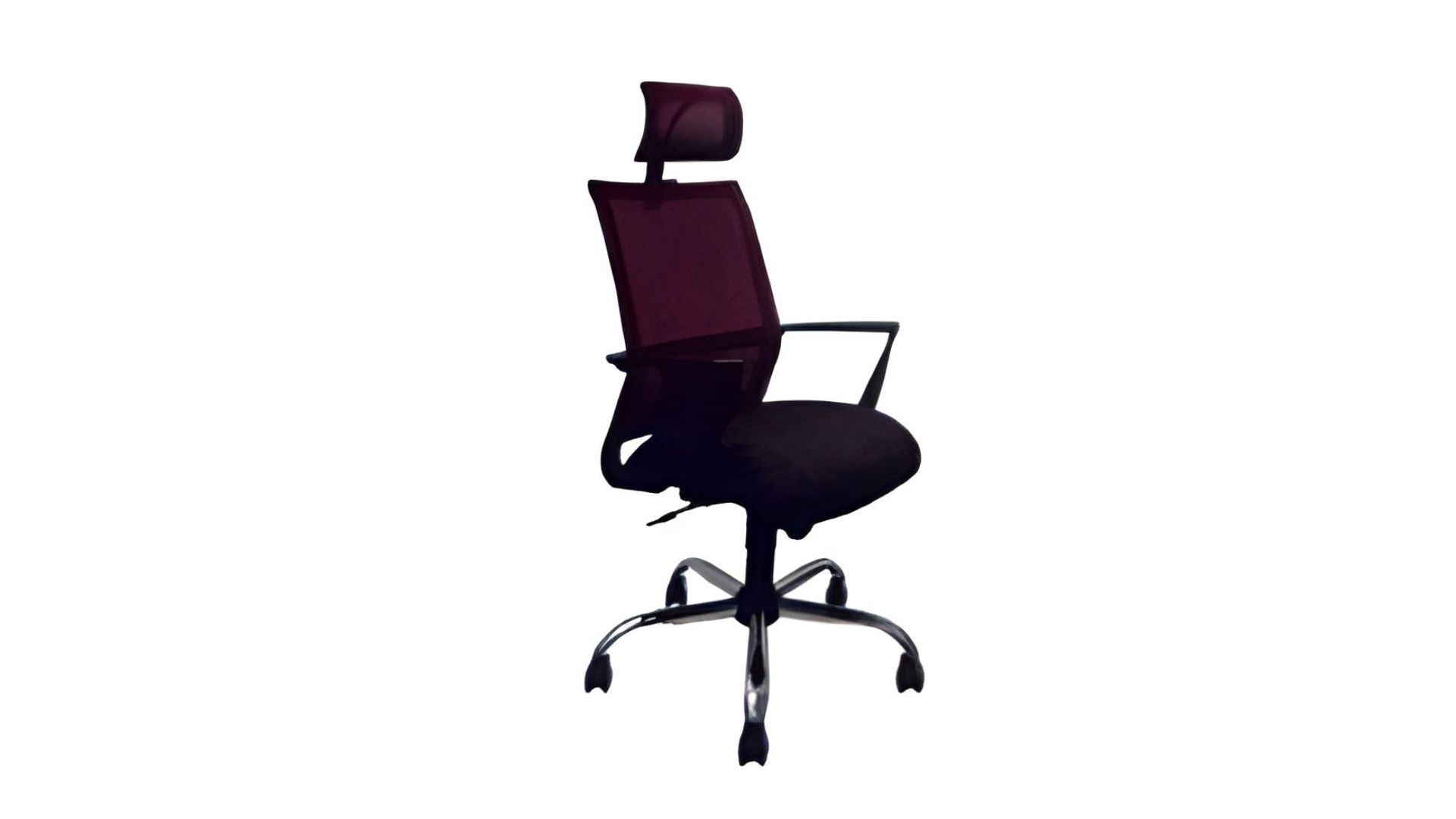
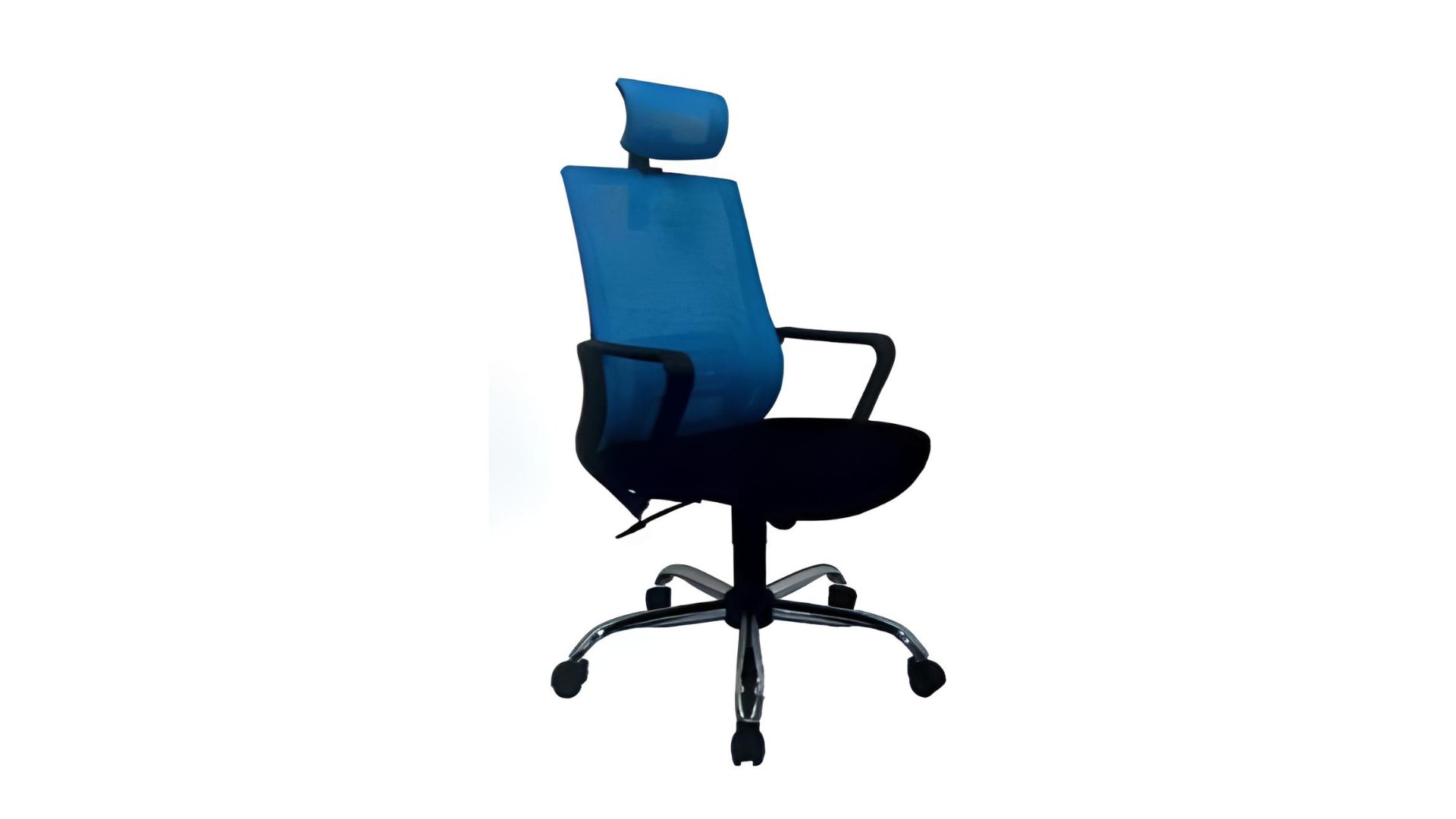
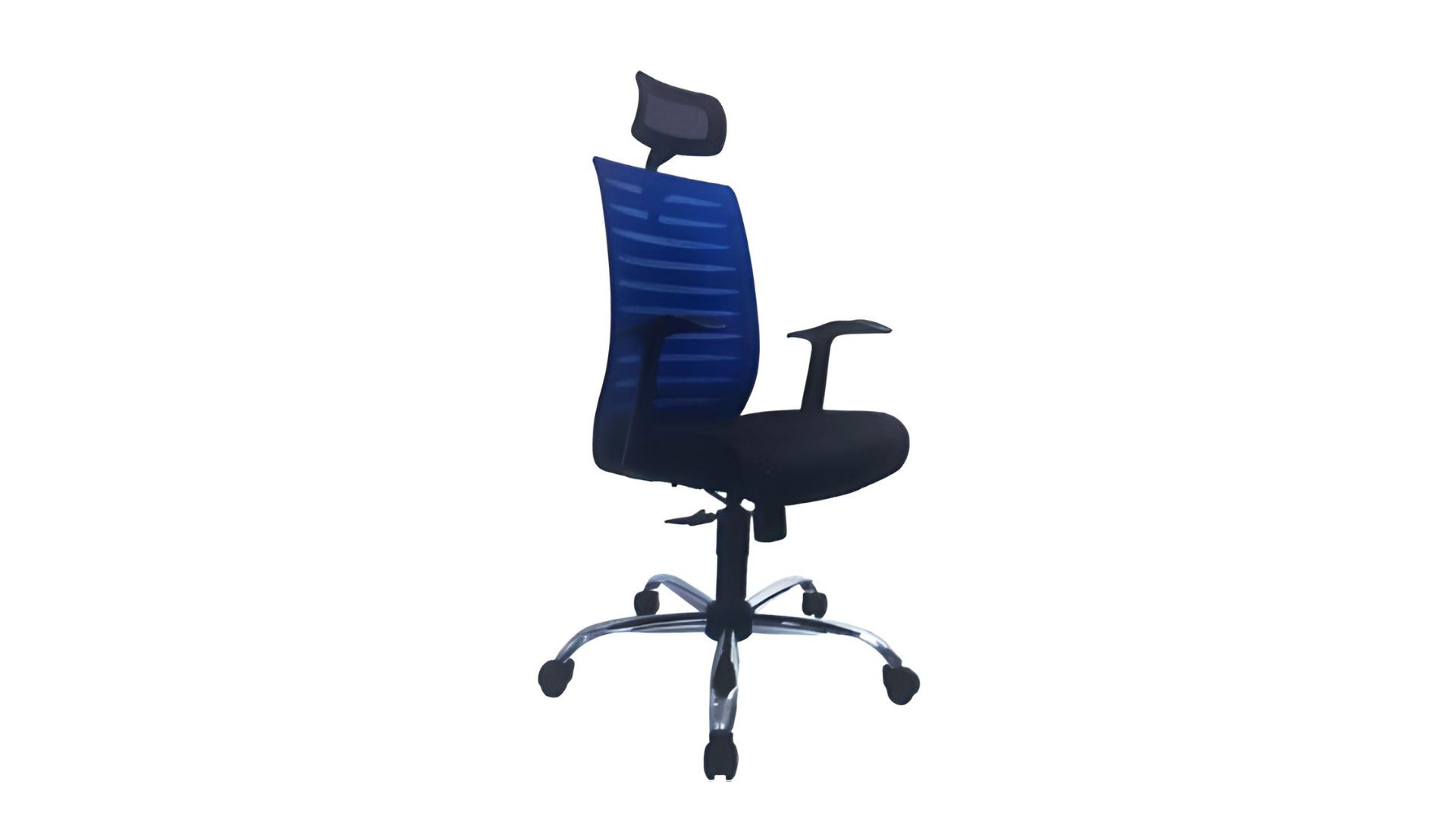
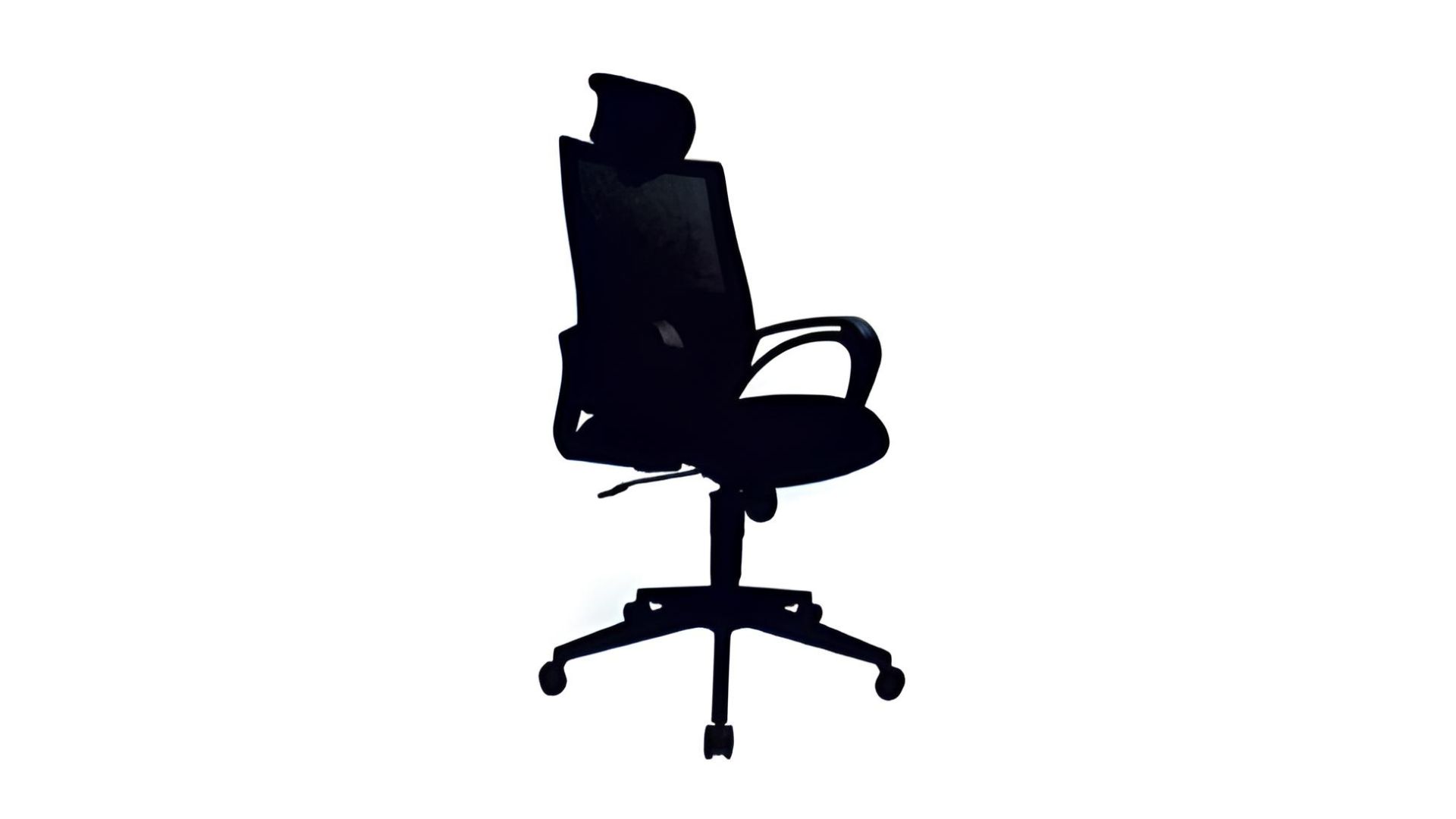
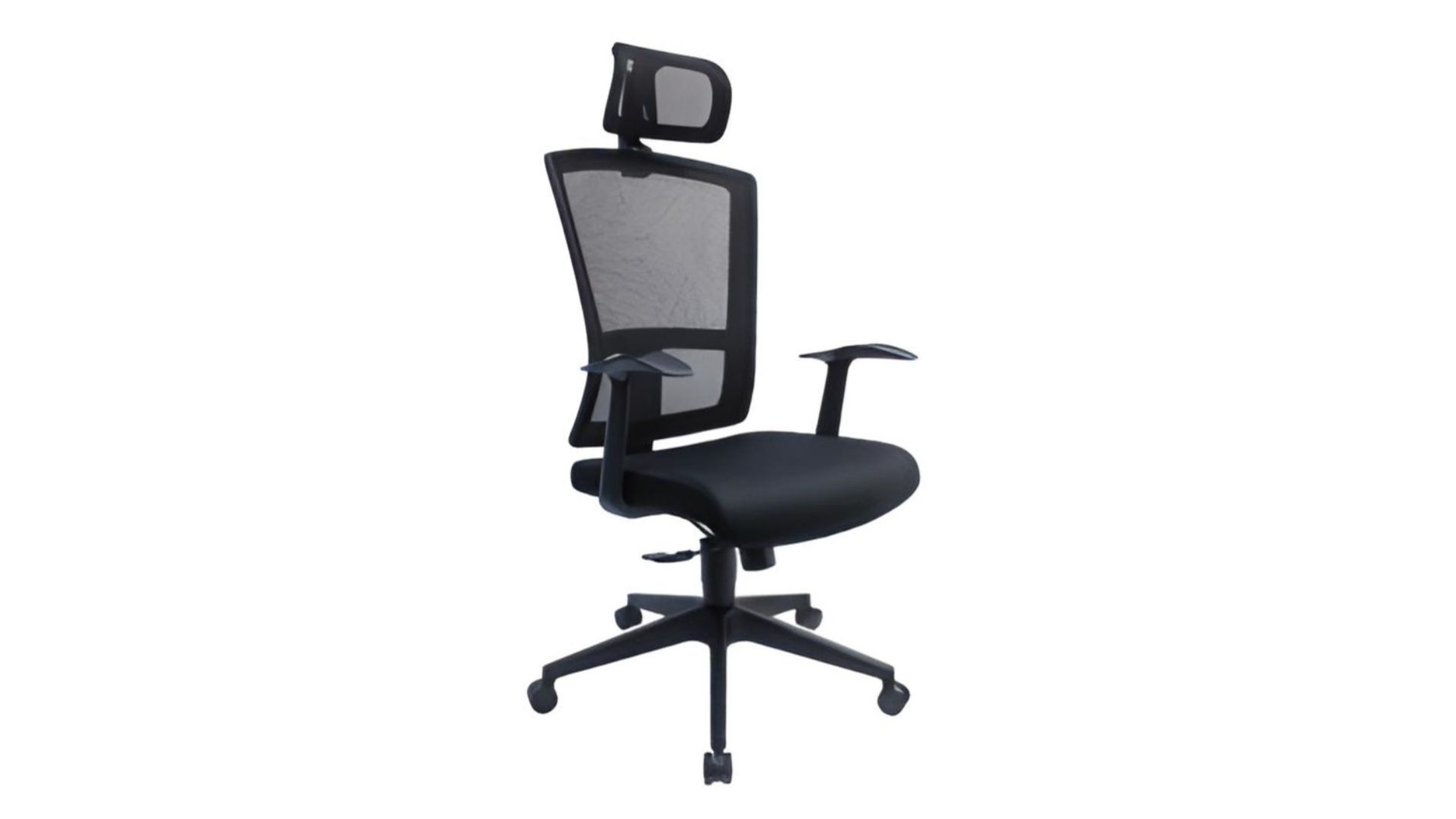
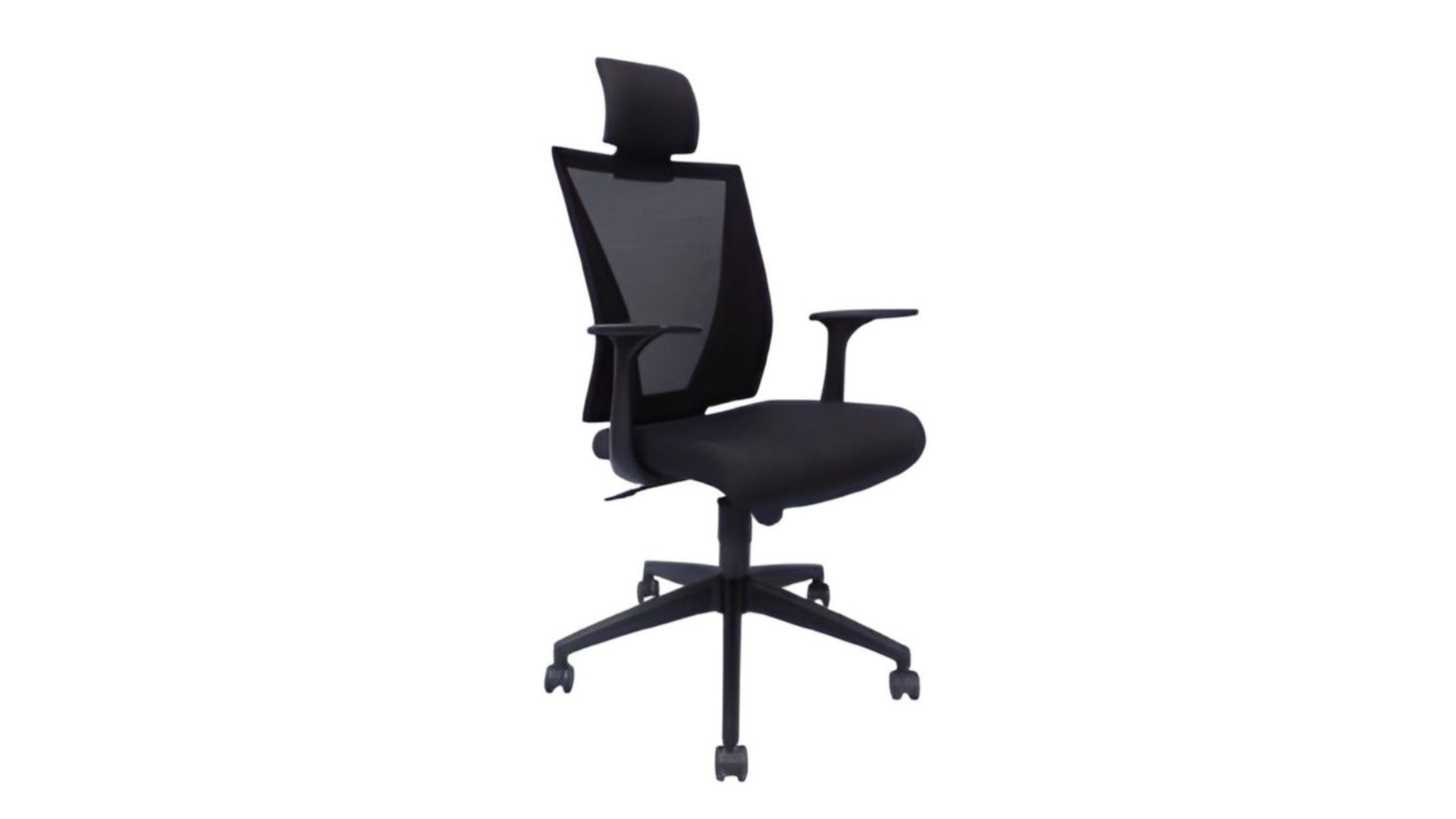
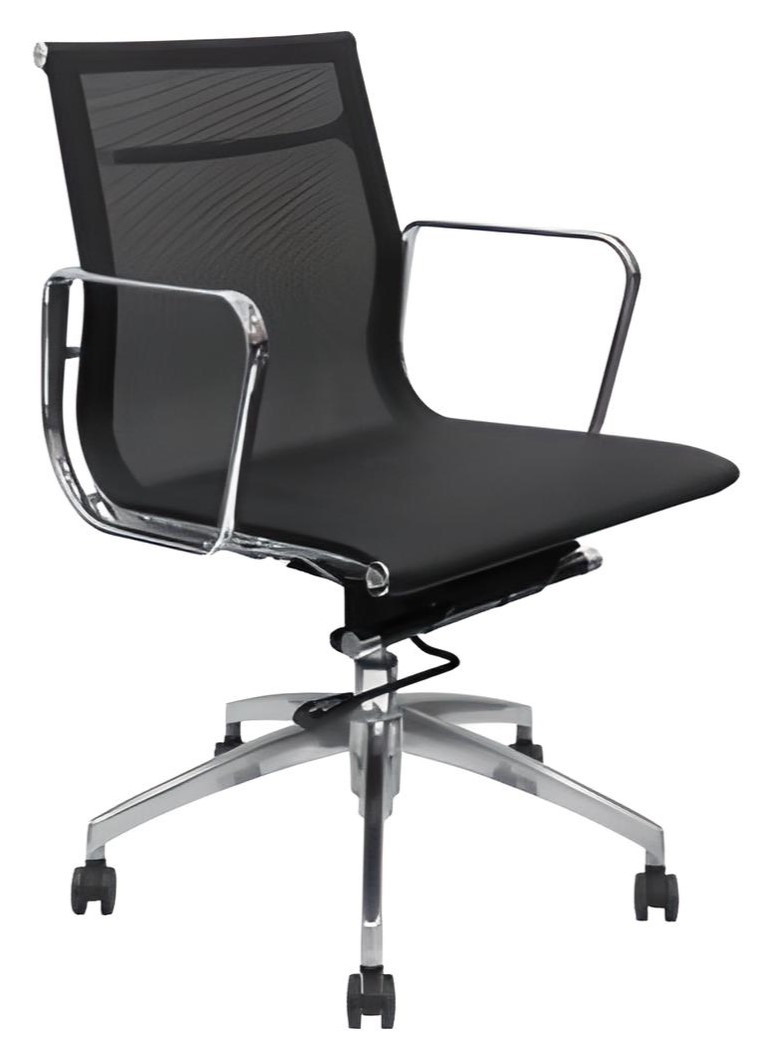
Different chair types have varying lifespans. A high-quality Mesh Chair might last 7-10 years, offering breathability and good support. A Leather Chair or Director Chair can endure 10-15 years, provided the leather is maintained. A basic Study Chair for occasional use might last 3-5 years, while a premium Designer Chair could easily exceed 15 years due to superior materials and craftsmanship.
Does the price point impact longevity?
Absolutely. Generally, a higher price point correlates with better materials, construction, and thus, longer durability. Budget Seating, while affordable, often uses lighter plastics, lower-density foam, and simpler mechanisms that wear out faster, typically lasting 2-4 years. In contrast, a Designer Chair or an executive model represents a significant investment, but it's built with high-grade components meant to withstand heavy daily use for a decade or more.
What are signs that an office chair needs replacement?
Key indicators include persistent discomfort or pain after sitting, a wobbly base or arms, a cylinder that no longer holds its height, or worn-out upholstery. If the chair squeaks excessively, the backrest no longer locks securely, or the foam padding is permanently compressed, it's likely past its prime. These issues compromise ergonomic support and can lead to poor posture or musculoskeletal problems, signaling a need for an upgrade.
Can proper maintenance extend a chair's life?
Yes, regular maintenance is crucial. This includes routine cleaning of upholstery, tightening loose screws, and lubricating moving parts like casters and gas lift mechanisms. For a Leather Chair, conditioning the leather prevents cracking. Avoiding excessive weight or misuse also prevents premature wear. A little attention can significantly prolong the life of even a standard Study Chair, keeping it functional and aesthetically pleasing.
How long do specialized chairs like bar stools last?
The lifespan of a Bar Stool varies greatly depending on its construction and usage. Commercial bar stools, built for heavy traffic, can last 5-10 years or more. Residential bar stools, typically used less frequently, might last just as long if well-made, or only 3-5 years if they are Budget Seating. Swivel mechanisms and footrests are common points of wear, so their quality is key to overall durability.
What is the expected lifespan of a high-end ergonomic chair?
High-end ergonomic chairs, including many Designer Chair models, are engineered for exceptional durability and comfort. They often come with extensive warranties (10-12 years) and are built with premium materials like reinforced steel, high-density foams, and durable mesh or leather. With proper care, these chairs can easily last 15-20 years, providing consistent support and maintaining their adjustability and aesthetic appeal for decades.
When should you consider upgrading instead of repairing?
Consider upgrading when the cost of repairs approaches the price of a new, comparable chair, or when the chair no longer meets your ergonomic needs. If multiple components are failing (e.g., gas lift, casters, and armrests), a new chair often provides better long-term value. Also, if your work habits or physical requirements have changed, a new chair tailored to your current needs might offer superior comfort and health benefits compared to repairing an outdated model.
Invest in Lasting Comfort and Support
Understanding the factors that contribute to an office chair's lifespan empowers you to make informed purchasing decisions and maintain your investment effectively. Whether you're considering a robust Director Chair, a breathable Mesh Chair, or a sophisticated Designer Chair, choosing quality and committing to care will ensure years of ergonomic support.
For personalized recommendations or to explore our range of durable office seating solutions, our experts are ready to assist.
Contact Our Seating Experts